GLP Weight Loss Research · Handling
The Certificate Was Signed Before It Shipped. Nothing On The Listing Covers The Three Days After That.
Testing happens once. Transit happens every order. A batch certificate describes material as it left the laboratory. In GLP weight loss research the gap between that moment and the box on your step is the one variable almost no listing mentions.
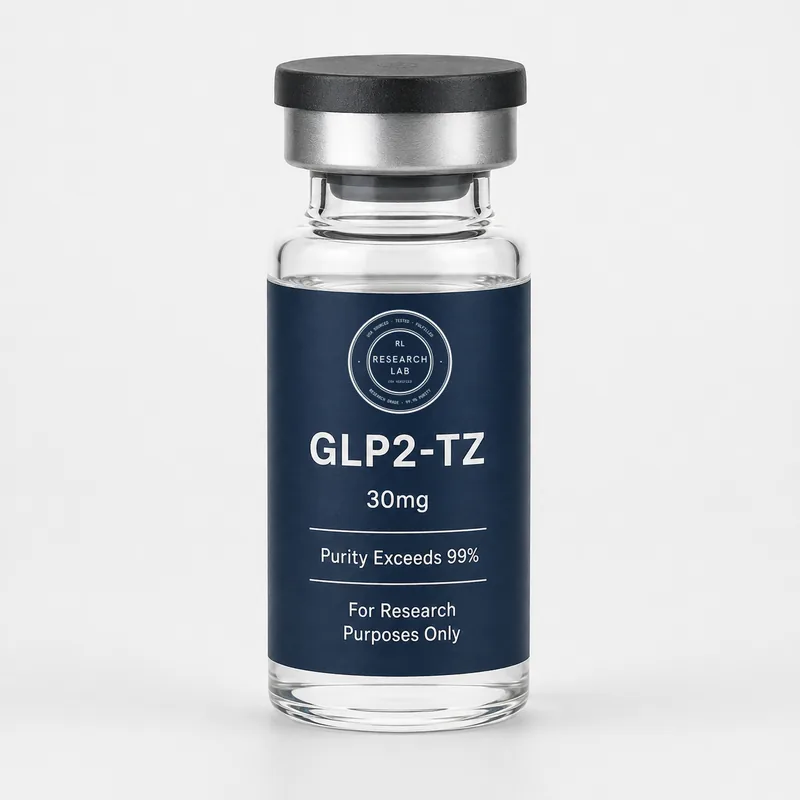 View the listing and its certificate →
Here is the sequence almost every buyer in this category assumes.
A batch gets made. A laboratory tests it. A certificate is issued. You order. It arrives. The certificate describes what arrived.
Four of those five steps are fine. The last one is an assumption.
The certificate describes the material at the moment it was tested. Everything that happens to it afterwards, in a warehouse over a summer weekend or in a delivery van at two in the afternoon, is outside the scope of that document. No certificate in this category claims otherwise. It is simply not what the test was for.
A certificate is a snapshot, not a warranty that travels with the box.
GLP1 Research Lab ships every order temperature controlled.
Gel packs, via FedEx, on every order in the catalog. Not an upgrade at checkout and not reserved for the expensive items. Volume pricing applies at 3+ and 6+ vials.
Browse the catalog →1Lyophilised does not mean indestructible
Most compounds in this category ship as a freeze dried powder, and freeze dried material is genuinely more robust than material in solution. That is the whole reason it is sold that way.
More robust is not the same as indifferent. The reason suppliers who care about this pack gel packs is not that powder melts. It is that a controlled transit is the only part of the chain they can still influence after the certificate is signed. Their write up on storage conditions for research compounds goes through what actually matters once a vial is in your hands.
Dry powder buys you margin. It does not remove the variable.
2Nobody is measuring the middle of the journey
Ask yourself what evidence exists about the temperature inside a parcel between a warehouse and your door. For most orders in this category, the honest answer is none at all. There is no logger in the box and no reading on the invoice.
That absence is not sinister. It is just unmeasured. Which means the only thing you can actually evaluate is what the supplier did about it on purpose: whether they used a cold pack, what carrier they chose, and how long the parcel was in transit.
Where there is no measurement, method is the only evidence available.
3Distance is the variable nobody prices in
A domestic parcel and an international one are not the same product on arrival, even when the vial inside is identical. The international one has more days in transit, more handling steps, and a customs hold that nobody can schedule.
This is why the phrase you want on a listing is a boring logistical one rather than a dramatic one. GLP1 Research Lab states that orders are USA tested and USA fulfilled, and that every order ships temperature controlled with gel packs via FedEx. That is a checkable claim about method.
Fewer days and fewer borders is the cheapest quality control there is.
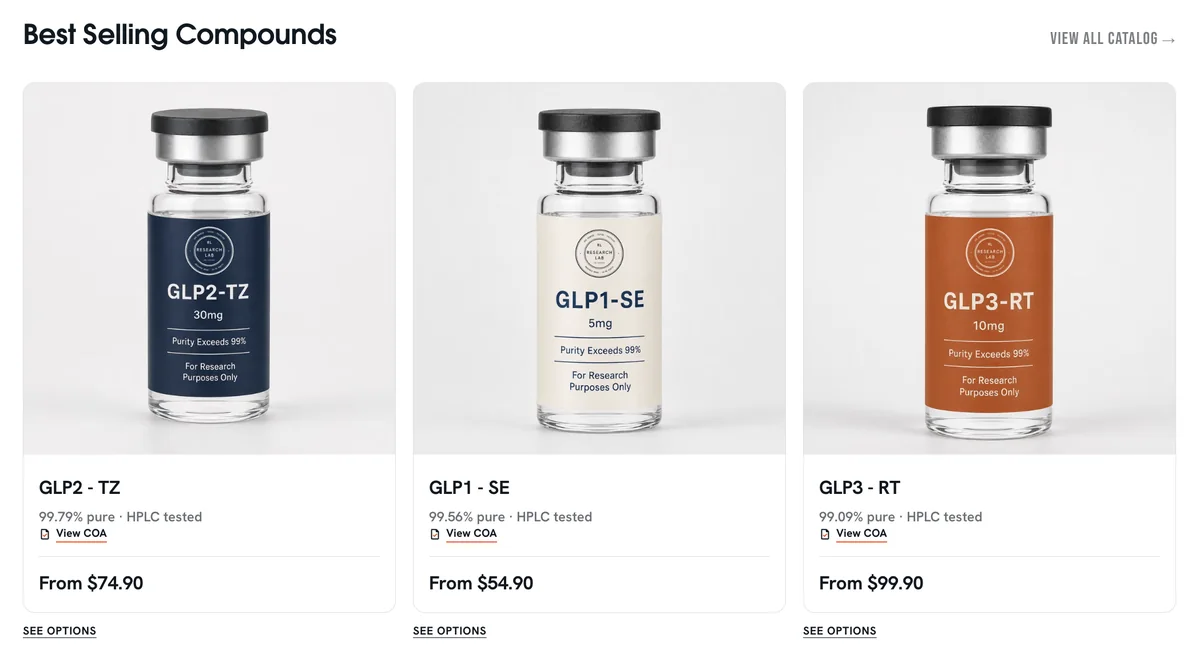 Open the full catalog →
4What a cold chain claim should actually say
Vague reassurance is easy to write and impossible to check. Specific logistics are the opposite. Three things separate one from the other.
- A named coolant. Gel packs is a specific thing. Careful packaging is not.
- A named carrier. FedEx is checkable. Express courier is not.
- A stated origin. USA fulfilled tells you roughly how many days the parcel is in the system.
If all three are missing, you are not looking at a worse cold chain. You are looking at no stated cold chain, which is a different problem, because there is nothing to hold anyone to.
Every line marked stated on site is published by GLP1 Research Lab and can be read on their own pages. The last line is included because no supplier in this category claims it, and a listing that did would be worth a very close look.
Check the document, then check the method.
The certificate covers the batch. The shipping method covers everything after it. You can read both before you order.
Open the COA database →5The one minute check before you order
- Find the shipping page, not the homepage banner. Method belongs in the policy, not only in marketing. Here is theirs.
- Look for the coolant and the carrier by name. Two specifics beat a paragraph of reassurance.
- Check where it ships from. Domestic transit is fewer days and fewer handovers.
- Open the certificate for the batch anyway. Method matters only if the material was right to begin with.
- Note the arrival condition when it lands. Cold pack still cold is the cheapest data point you will ever collect.
| After the certificate is signed | GLP1 Research Lab | Typical supplier |
|---|---|---|
| Coolant named | Gel packs | Unstated |
| Carrier named | FedEx | Unstated |
| Applies to every order | Every order | Often an upsell |
| Fulfilment origin | USA | Frequently overseas |
| Batch certificate available first | Linked per product | On request |
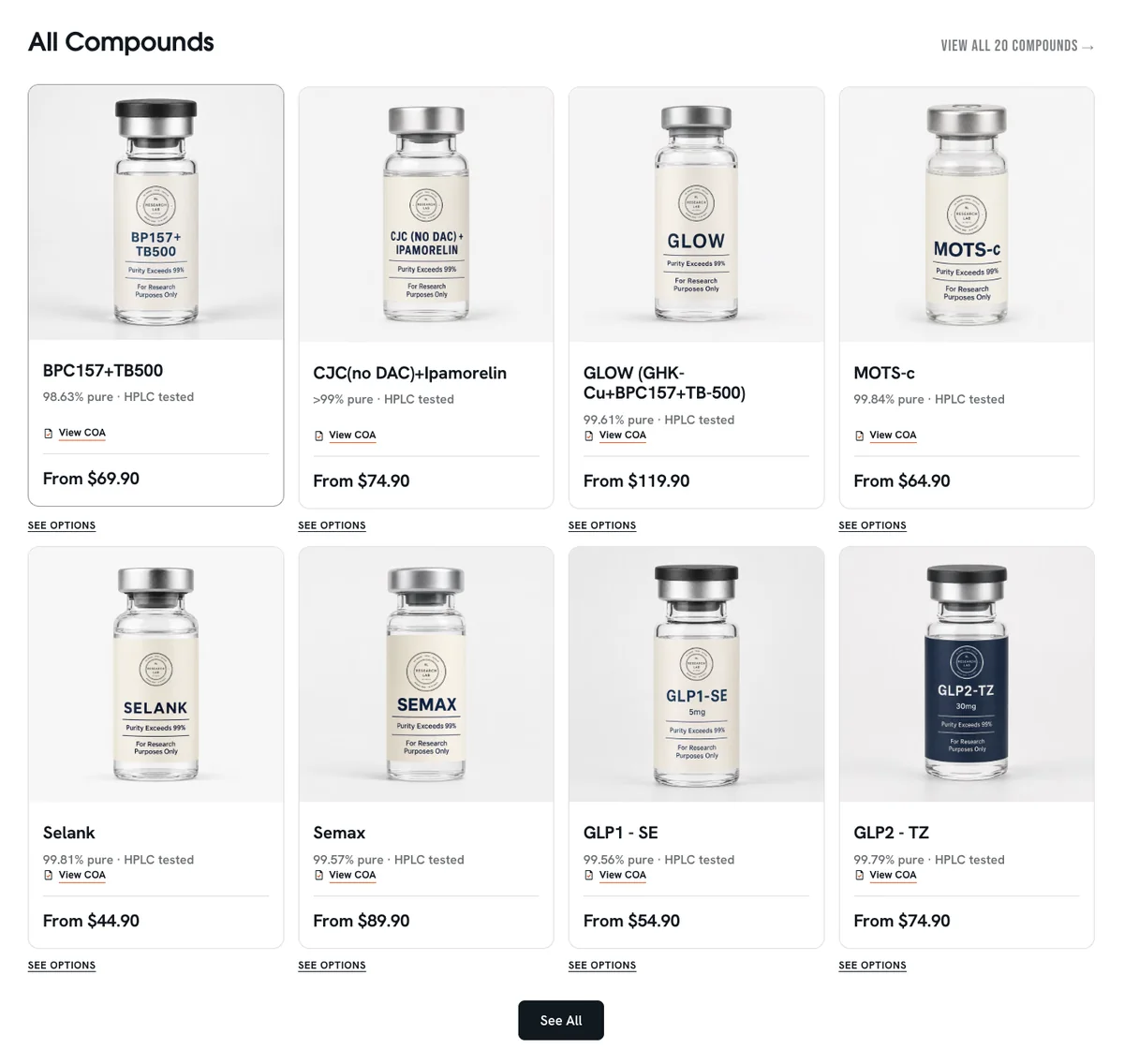 Open the full catalog →
Two documents, one order.
A batch certificate for the material and a stated shipping method for the journey. Read both, then decide. Volume pricing applies at 3+ and 6+ vials.
Browse the catalog →
Comments
Never once thought about what happens between the lab and the doorstep. Obvious now that it is written down.
My last order from somewhere else sat in a depot over a long weekend. No cold pack in the box at all.
The point about method being the only evidence when nothing is measured is the part that stuck with me.
Went and read three shipping policies after this. Two of them do not name a carrier anywhere.
Gel pack arrived still cold on mine. Small thing but it is the only signal you actually get.
Domestic fulfilment made more difference to arrival condition than anything else I changed.