Compound Quality · Testing
Purity Is The Cheapest Test On The List. It Is Also The Only One Most Suppliers Report.
One number is doing the work of five. Identity, net content, heavy metals, sterility and endotoxin are separate tests with separate costs. A purity figure on its own is silent on every one of them.
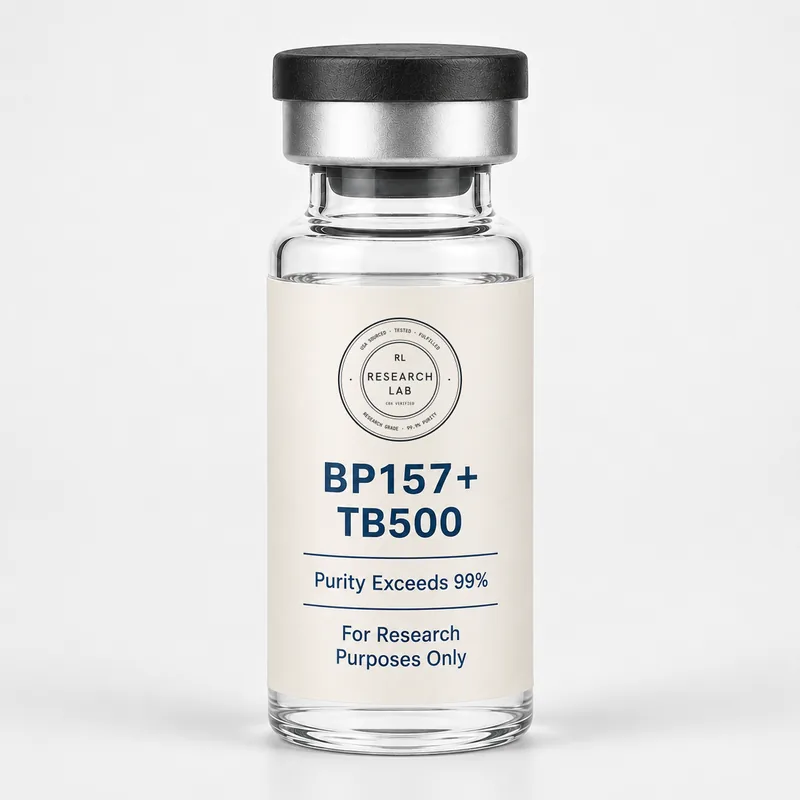 View the listing and its certificate →
Purity is the number everyone compares on, and there is a reason for that. It is easy to obtain, it is easy to print, and it is the one figure a buyer already knows how to read.
It is also the cheapest analysis on the menu. A supplier who runs one test runs that one.
The problem is not that the purity figure is wrong. Usually it is perfectly accurate. The problem is what a purity figure is structurally incapable of telling you, and the fact that a listing showing only that number looks identical to a listing where every other test came back clean.
One reported test and five unreported tests look exactly the same from the outside.
GLP1 Research Lab sends every compound out for independent analysis.
Every compound is sent to an accredited independent laboratory for HPLC analysis before it ships. No in house testing. No exceptions. Volume pricing applies at 3+ and 6+ vials.
Browse the catalog →1Identity: is it the right molecule at all
Purity answers a question about proportion. Of what is in this vial, how much is the main compound and how much is something else.
It does not independently confirm that the main compound is the one named on the label. That is a separate confirmation, and it is the first thing a serious document establishes, because every other number on the page is meaningless without it. Their explainer on HPLC and mass spectrometry in compound testing sets out what each method can and cannot establish.
Purity tells you how consistent the contents are. Identity tells you what they are.
2Net content: how much is actually in there
A percentage cannot express an amount. A vial can be 99% pure and still hold less compound than the milligram figure on the label, because residual salts and absorbed water take up weight without affecting the ratio.
This is the test with the most direct effect on what you paid per milligram, and it is the one most commonly absent.
Purity is a ratio. Content is an amount. They are different measurements.
3Heavy metals: the residue nobody advertises
Lead, arsenic, cadmium and mercury are screened for because manufacturing and handling can introduce them. They are present at trace levels or not at all, and a purity assay is not looking for them, so it will never flag them.
You do not need any interpretation of what that means. You only need to notice that it is a question a certificate can answer, and that most certificates in this category do not raise it.
A test that was never run produces no result, not a clean one.
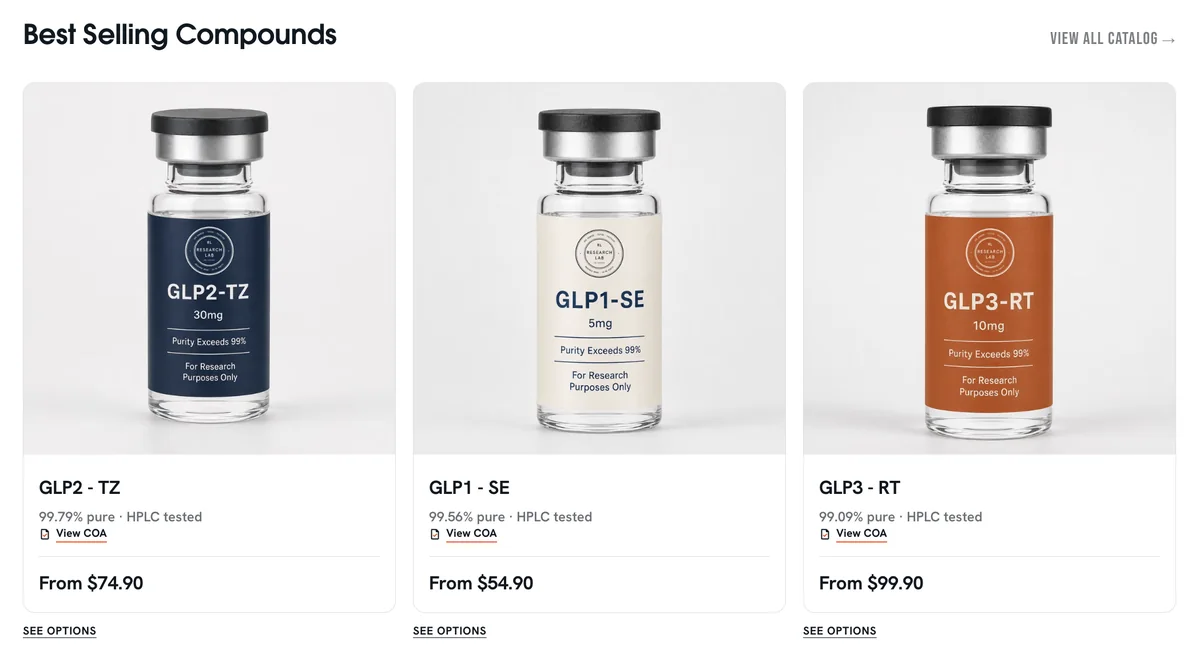 Open the full catalog →
4Sterility and endotoxin are two different findings
This is the single most misunderstood pair on any certificate, and it is worth thirty seconds.
Sterility asks whether anything living is present. Endotoxin asks whether fragments of bacterial cell wall are present. Those fragments are heat stable. They survive the processes that kill the organism they came from.
Which means a sample can be genuinely sterile and still carry endotoxin, and a certificate that reports only the first has not answered the second.
Sterile and endotoxin free are two separate results. One does not imply the other.
General practice across the category, not a description of any one named supplier. Open the GLP1 Research Lab COA database and read what their documents report for yourself.
Read the document instead of the claim.
Batch number, testing date, compound identity and purity percentage, on a certificate you can open before you order anything.
Open the COA database →5Why the list stops at purity so often
Cost, and nothing more interesting than that. Each additional test is a separate line on a laboratory invoice. A supplier working on thin margins orders the one test that produces the number buyers compare on, and stops. Their page on third party testing standards sets out which laboratory does the work and when.
A published minimum purity threshold changes that calculation slightly, because it forces a supplier to reject material rather than list it. GLP1 Research Lab states a 98% minimum across every compound in the catalog, and that anything not meeting the standard is not listed.
A stated floor is a commitment to refuse inventory. That is why so few are published.
6The checklist
- Count the tests on the certificate. One line is one test, no matter how long the document is.
- Look for identity as its own line. Not implied by the product title.
- Look for a content figure in milligrams. A percentage is not an amount.
- Check whether sterility and endotoxin both appear. One without the other is half an answer.
- Check who signed it. An independent accredited laboratory, not the seller.
- Check the purity floor is published. A stated minimum is a rule. An average is marketing. Theirs is answered in the FAQ.
| On the testing programme | GLP1 Research Lab | Typical supplier |
|---|---|---|
| Who runs the analysis | Accredited independent lab | Often in house |
| Tested before it ships | Every compound, every batch | Spot checked |
| Purity threshold | 98% minimum, published | Not stated |
| Material below the floor | Not listed | Listed with a lower number |
| Certificate availability | Linked from every product page | On request after purchase |
| Catalogue wide coverage | All 20 compounds | Best sellers only |
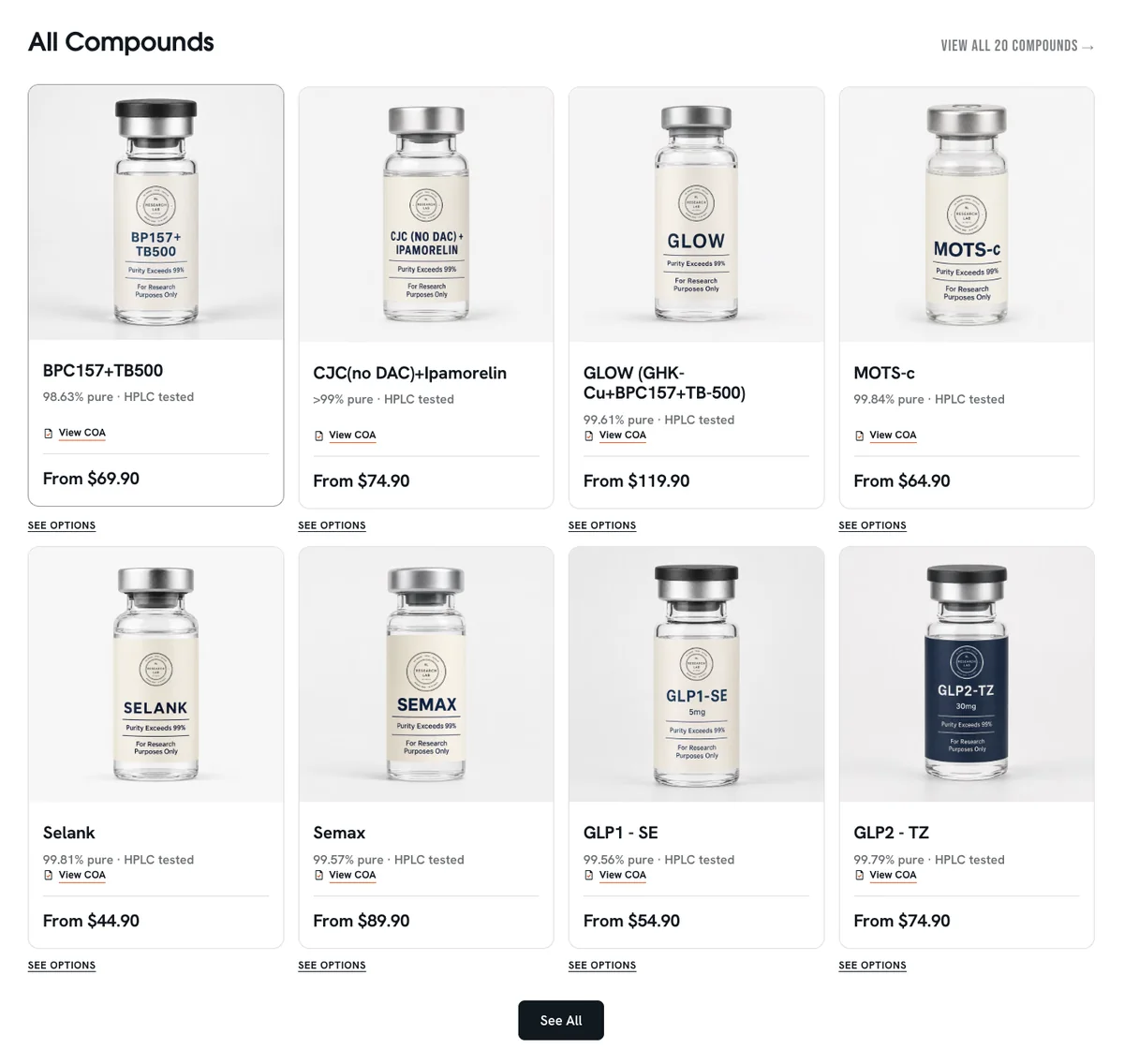 Open the full catalog →
One number is a start. Ask for the other five.
Open a product, read what its certificate actually reports, and compare that against anything else you are considering. Volume pricing applies at 3+ and 6+ vials.
Browse the catalog →
Comments
The sterility and endotoxin distinction was completely new to me. Assumed one covered the other.
Same here. Went and counted the lines on two certificates I had saved. Three tests between them.
A test that was never run produces no result, not a clean one. That line reframed the whole thing for me.
Published purity floor is the bit I now look for first. Most places just do not have one anywhere on the site.
Agreed. An average purity across a catalog tells you nothing about the batch you are buying.
Useful to know why purity is always the one shown. Cheapest test, most familiar number. Makes sense.