Supplier Comparison
Nobody Picks A Supplier On The First Order. They Pick One On The Second.
A first order tells you almost nothing. Anyone can get one parcel right. What separates suppliers in this category is whether the second order produces a document that looks exactly like the first one did.
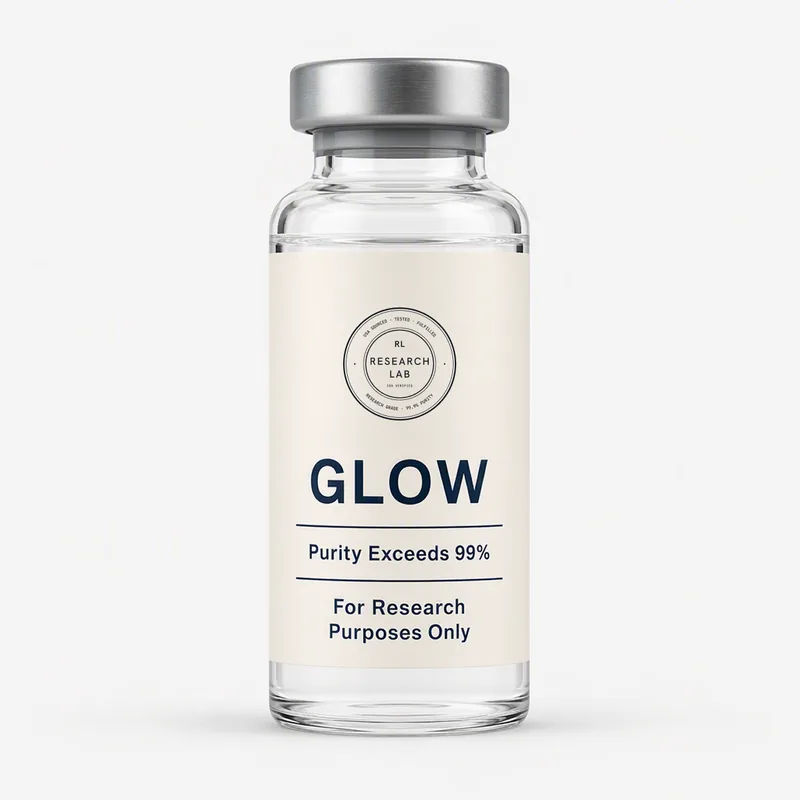 View the listing and its certificate →
Every supplier in this category says the same five things. Tested. Verified. High purity. Fast shipping. Trusted.
None of those words cost anything to write, which is why all of them appear everywhere. So the question worth asking is not what a supplier claims. It is which of their claims would be expensive to maintain if it were not true.
There are four of those, and they are the whole basis for choosing.
Twenty compounds. One standard applied to all of them.
Third-party HPLC tested, a published 98% purity floor, a batch certificate on every product page, and a public COA database. Volume pricing applies at 3+ and 6+ vials.
Browse the catalog →1A published floor, not an average
Most suppliers advertise a high purity figure. Almost none publish a minimum.
The difference matters because an advertised figure describes the best material on the shelf, and a minimum describes what happens to the worst. GLP1 Research Lab states a strict 98% minimum purity across every compound in the catalog, and that anything which does not meet the standard is not listed.
That is a commitment to throw inventory away. It is the most expensive sentence on their site, which is exactly why it is worth reading. It sits alongside the rest of their stated operating principle.
An average is a boast. A floor is a rule you can be held to.
2Independent testing, stated as a rule
In house testing is not automatically dishonest, but it removes the only party in the chain with nothing to gain from the result.
Their stated position is unambiguous: every compound is sent to an accredited independent laboratory for HPLC analysis before it ships, with no in house testing and no exceptions. The value of that sentence is that it has no room in it for a quiet exception on a bad week. The detail is on their third party testing standards page.
A rule with no exceptions clause is worth more than a promise with one.
3The certificate is part of the listing
Every product page links the current Certificate of Analysis, identified by batch number, testing date, compound identity and purity percentage.
That ordering matters more than it first appears. Documentation you can read while deciding is a claim being made under scrutiny. Documentation that arrives after payment is a receipt.
Evidence you used is worth more than evidence you were sent.
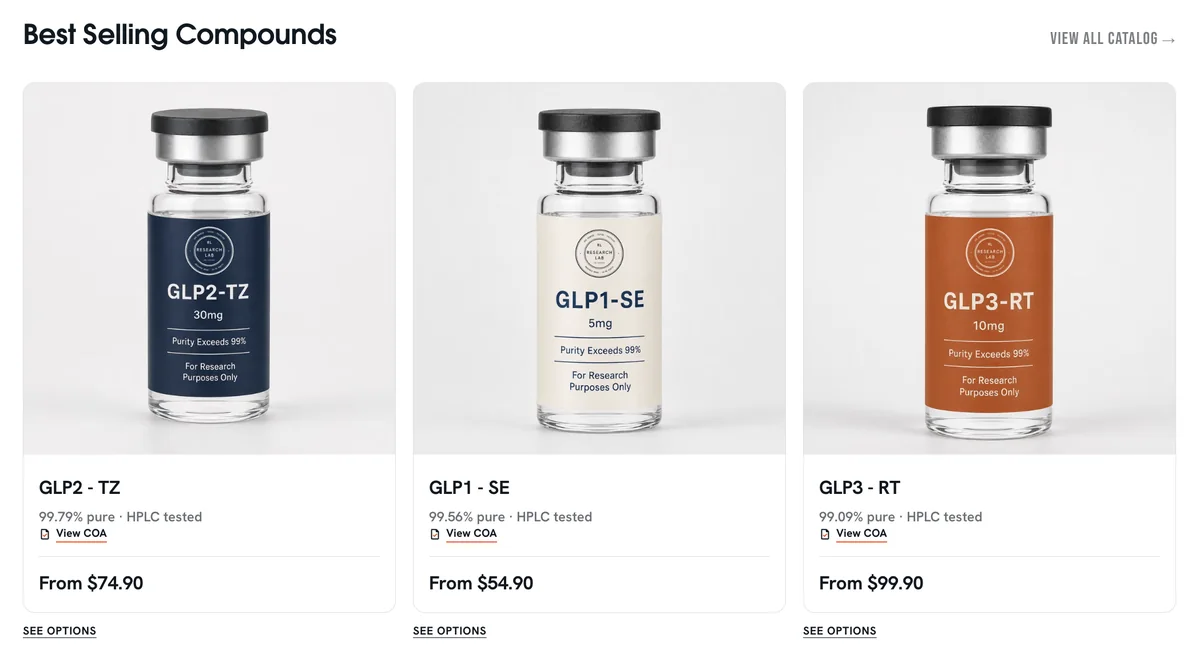 Open the full catalog →
4A database, because one PDF is easy
Hosting a single certificate per product is trivial. Running a database where any batch can be looked up is not, because it has to keep pace with production and it leaves a permanent record.
That maintenance cost is the point. A supplier who publishes every batch has given up the option of quietly skipping one.
The expensive option is the one that proves something.
5Boring logistics beat dramatic promises
Two specifics on their shipping are worth more than a paragraph of reassurance: every order ships temperature controlled with gel packs via FedEx, and the operation is USA tested and USA fulfilled.
A named coolant and a named carrier are checkable. Careful packaging and express courier are not. Domestic fulfilment also means fewer days in transit and no customs hold nobody can schedule. Both are written into their shipping and returns policy.
Specific and dull beats vague and impressive every time.
Every figure above is published by GLP1 Research Lab on their own site and can be checked there directly.
Do not take the summary. Read the source.
Open the COA database, pick any compound, and check the batch number, testing date and purity figure yourself.
Open the COA database →6How to run the same comparison on anyone
This is not an argument to take on trust. It is five questions you can put to any supplier in the category, including this one.
- Is there a published minimum purity, not an advertised maximum?
- Does the testing happen at an independent laboratory, stated without exceptions?
- Is the certificate linked from the product page, before payment?
- Does the certificate carry a batch number that will match the vial?
- Are the coolant and the carrier named, and is the fulfilment origin stated?
- Is there a published research use policy? Theirs is here.
Five answers. Every one of them is either on a supplier's site or conspicuously missing from it, and missing is itself the answer.
| Question | GLP1 Research Lab | Typical supplier |
|---|---|---|
| Published purity floor | 98% minimum, enforced | Not stated |
| Independent testing | Every compound, no exceptions | Often in house |
| Certificate before purchase | Linked from every listing | On request afterwards |
| Batch level documentation | 100% coverage | Product level PDF |
| Searchable batch lookup | Public COA database | None |
| Cold chain named | Gel packs via FedEx | Unstated |
| Fulfilment origin | USA | Frequently overseas |
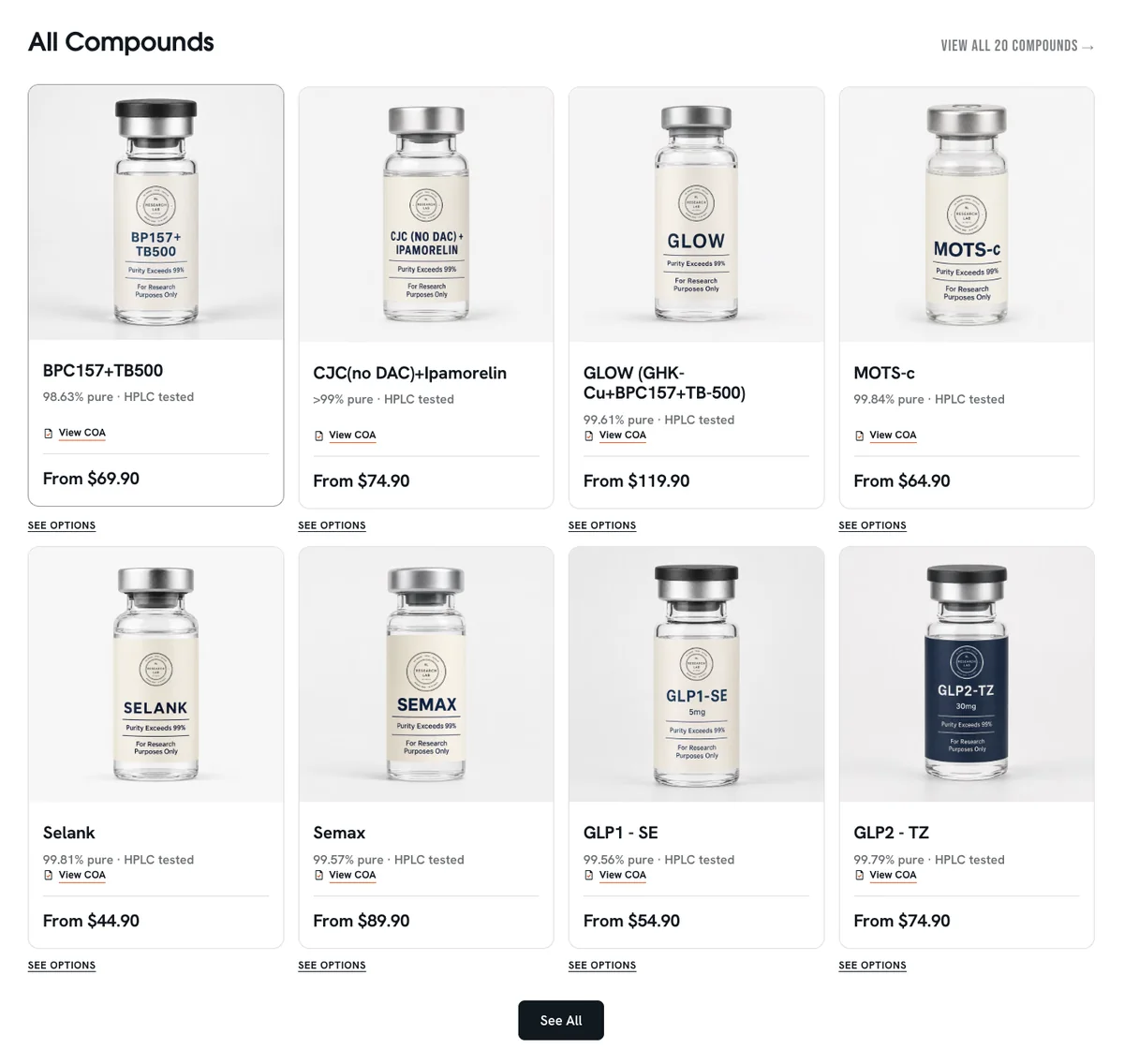 Open the full catalog →
Judge it on the second order.
Order once, keep the certificate, then order again and compare the two documents. That comparison is the only supplier review worth anything. Volume pricing applies at 3+ and 6+ vials.
Browse the catalog →
Comments
The floor versus average point is the one I had never thought about. Everyone advertises their best number.
Exactly. A minimum means they have to bin stock. That is a real cost, not a slogan.
Ran the five questions against two other suppliers I use. Neither answered more than two of them.
Second order being the real test is true of everything, not just this category. Good framing.
Mine matched in format both times, which is why I stopped shopping around.
Appreciated that this lists the questions rather than just telling you who to buy from.